Trusted Basement Finish Methods
Discover the Benefits of Home Remodeling: A Detailed Guide to Elevating Your Living Space
Home remodeling offers many advantages that are more than simple looks. It can substantially raise a property's value while improving its power performance and practicality. As homeowners seek to create spaces that satisfy their changing requirements, the benefits of strategic renovations become increasingly evident. Grasping these advantages can allow homeowners to make informed decisions about their living spaces, leading to transformative changes that promote comfort and individual style. What exact rewards can be expected by those ready to start this journey?
Improving Aesthetic Appeal
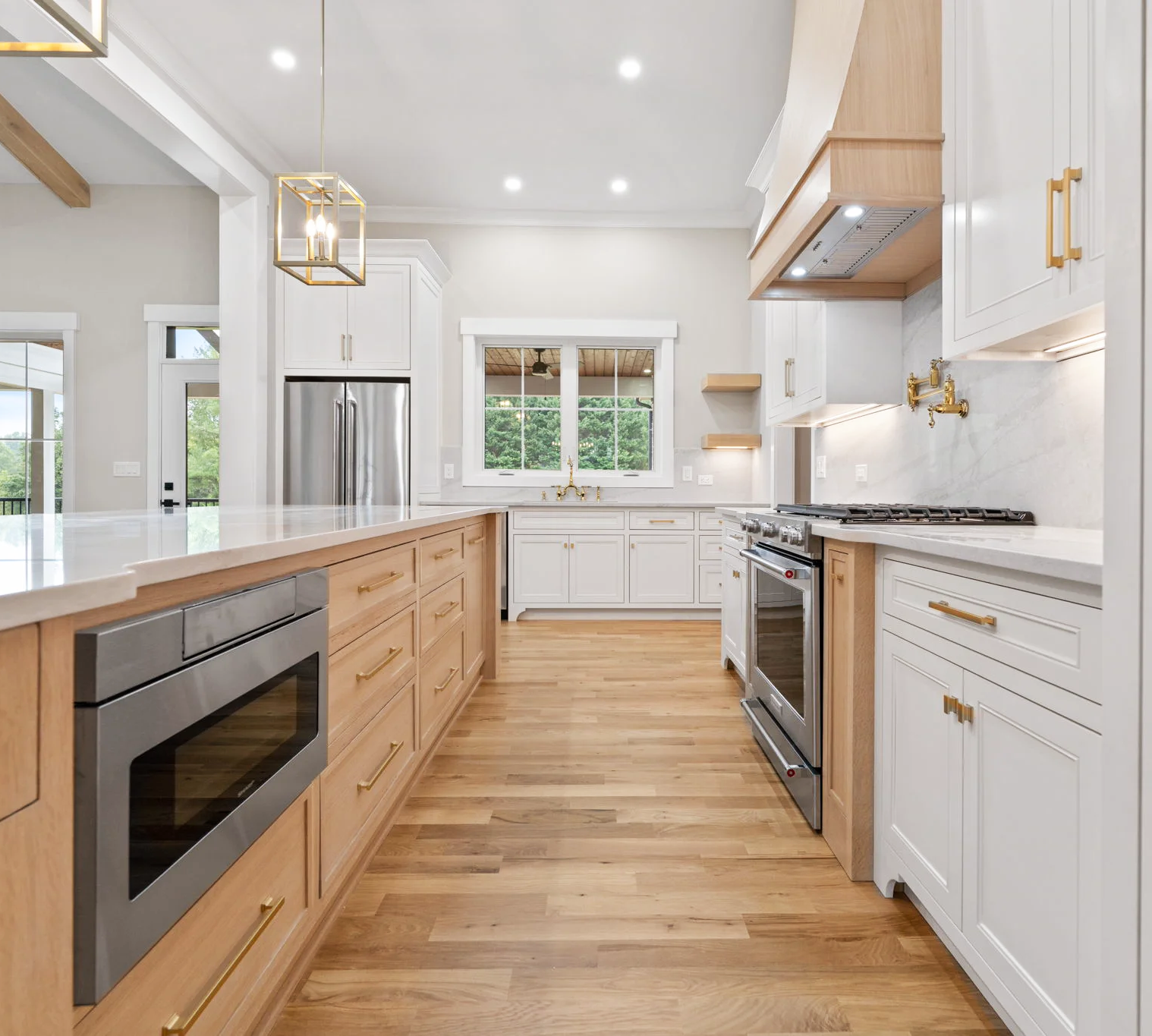
Although many homeowners are often unaware, improving the visual look through remodeling can significantly change a living space. A properly done remodel can freshen up old-fashioned rooms, producing settings that mirror personal style and up-to-date styles. Whether it includes refreshing colors, textures, or layouts, these changes can greatly influence the general feeling of a home.
For instance, introducing modern lighting fixtures or putting in new floors can create a more pleasant mood. Open-concept layouts can improve flow, causing rooms to seem larger and more cohesive. Additionally, adding features such as decorative moldings, custom cabinetry, or stylish backsplashes can elevate the visual interest in key areas like kitchens and living rooms.
Ultimately, the aesthetic improvements achieved through remodeling do more than just improve the homeowner's experience but also promote feelings of pride and comfort in their surroundings, resulting in a more pleasant way of living.
Boosting the Value of Your House
Home remodeling can significantly raise a property's value, proving it is a good use of money for homeowners. Targeted renovations, for example kitchen or bathroom renovations, typically result in high profits. According to market professionals, a renovated kitchen can earn back nearly 80% of its cost upon resale. Additionally, enhancing curb appeal through exterior improvements can draw in prospective purchasers, elevating overall property worth.
Power-saving renovations, such as replacement windows or insulation, not only reduce utility costs but also appeal to eco-conscious buyers, in addition boosting market value. Furthermore, creating extra living area by building an addition or converted cellar enhances both functionality and attractiveness, rendering the property more desirable in the real estate market.
Finally, thoughtful remodeling choices can transform a home into a highly sought-after property, guaranteeing a good ROI while providing homeowners with an enhanced quality of life.
Enhancing Utility and Design
Effective home remodeling does more than boost the home's worth but also focuses on improving functionality and layout in the residential area. A strategic update is able to convert confined spaces into more usable spaces, creating smoother transitions and accessibility. For example, eliminating barriers can create open-concept designs that encourage interaction and flexibility in how rooms are utilized.
Additionally, reconfiguring spaces such as culinary areas and washrooms improves how well they function. Enhancing organizational features and better utilizing surface areas results in a tidier space, tailored to the homeowner's specific needs.
Furthermore, strategic positioning of decor and fittings post-construction better the spatial arrangement, making rooms feel larger and appealing. By focusing on usability, residents are able to design an area that not only meets their daily living requirements but also improves their general well-being. Ultimately, a focus on flow and utility results in a smoother residential life.
Boosting Energy Efficiency
A considerable advantage of remodeling is the chance to improve energy performance throughout the home. People commonly leverage this by improving thermal barriers, putting in high-performance windows, and replacing outdated heating and cooling systems. These upgrades do more than cut down on power usage but also reduce power expenses, creating long-term savings over time.
In addition, incorporating energy-efficient appliances during a remodel significantly helps conserve power. Features such as programmable thermostats and low-energy light bulbs further enhance efficiency, enabling residents to control power consumption wisely.
Moreover, using eco-friendly resources and environmentally friendly practices during the remodeling process helps lessen the property's environmental impact. By opting for regenerative products and cutting down on refuse, residents are able to establish an eco-friendlier home. Finally, boosting energy efficiency through remodeling not only benefits the environment but also increases the property's total worth.
Establishing a Welcoming Environment
Establishing a welcoming atmosphere in a home requires various key factors. Maximizing natural light, improving the layout layout, and choosing comfortable materials can significantly enhance the entire atmosphere. These aspects not only elevate visual appeal but also lead to a more pleasant and practical living space.
Boosting Natural Light
While many residents disregard the effect of natural light, its improvement can truly change a living space into a more pleasant and comfortable setting. Maximizing natural light not only brightens rooms but also creates an open atmosphere that encourages well-being. Techniques such as installing more expansive windows, skylights, or glass doors can significantly boost sunlight penetration. Additionally, using bright paint and reflective surfaces can amplify the natural light that comes into a space. Placing strategically positioned mirrors can further boost brightness while creating the illusion of depth. By focusing on natural light, residents can foster a calm and uplifting feeling, ultimately resulting to a more enjoyable living lifestyle. This straightforward yet powerful improvement can truly boost the entire visual appeal and practicality of a home.
Optimizing Space Layout
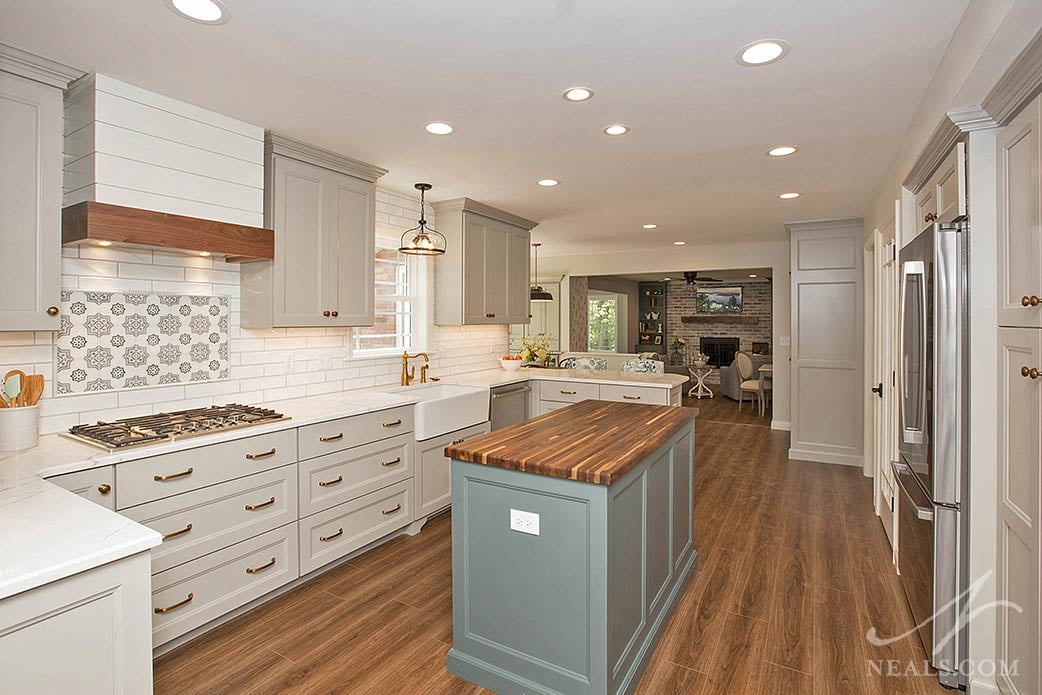
When occupiers emphasize improving space layout, they can significantly improve the comfort and functionality of their living areas. Deliberate arrangement of furniture and fittings can create an open, inviting setting that encourages ease of movement. By assessing the movement of each room, residents can pinpoint neglected areas and convert them into useful spaces. For example, joining a kitchen and dining area can foster social interaction while optimizing efficiency. Furthermore, incorporating multi-functional furniture allows for versatile uses of space, catering to multiple needs without cluttering. In conclusion, a thoughtful layout not only enhances daily living but also adds value to the home, turning it a more enjoyable and practical space for relatives and visitors alike.
Picking Pleasant Materials
Picking out cozy fabrics and finishes is essential for homeowners seeking to create a welcoming environment. The picking of materials, finishes, and furnishings plays a pivotal role in improving both the look and comfort. Soft, breathable fabrics for instance cotton or linen for upholstery can create a calm mood, while plush rugs add warmth underfoot. Additionally, incorporating natural materials like wood or stone introduces a feeling of peace to rooms. The selection of colors also influence comfort; gentle, subdued colors often evoke serenity, while bold shades can energize a room. Individuals must factor in longevity as well as coziness, guaranteeing that the chosen materials hold up to daily wear and tear. Ultimately, a careful choice of comfortable materials contributes greatly to an welcoming and enjoyable feeling within the residence, fostering a sense of well-being.
Customizing the Home
Making a space unique allows individuals to express their distinctive taste through careful selections in design. By incorporating specific features and floor plans, homeowners can create environments that mirror their individuality but also boost practicality. This personalized strategy ensures that every area serves a purpose while remaining aesthetically pleasing.
Unique Design Choices
A home serves as a reflection of its owner’s personality and lifestyle, thus requiring individualized design selections for creating a personalized space. Homeowners have the opportunity to express their personal taste through various elements like color palettes, surface feel, and furniture. Including unique pieces of art, family heirlooms, or tailor-made installations further improves the distinctiveness of a home. Individualized selections typically merge usefulness and visual appeal, allowing for a harmonious atmosphere that feels right to the residents. see more If selecting dramatic elements or minor details, these selections help create an pleasant and relaxing atmosphere. In the end, making distinctive design decisions turns a standard area into a personal haven, fostering a sense of belonging and identity that enriches daily living.
Functional Space Utilization
Making a home unique goes beyond unique design choices; it involves optimizing the functionality of all parts of the residence. Efficient utilization of space guarantees that each square foot is meaningful, improving both comfort and functionality. Homeowners can assess their daily routines to pinpoint spots requiring enhancement—whether it's creating open-concept layouts for entertaining guests or setting up specialized work areas for working from home. Incorporating multifunctional furniture, like foldable tables or storage ottomans, optimizes spatial usage without compromising design. In addition, utilizing vertical storage solutions helps organize and tidy up living spaces. In the end, focusing on practical use not only makes a home unique and creates a more usable and comfortable setting, suited precisely to the needs of those living there.
Promoting Togetherness and Family Connection
Although home remodeling often focuses on aesthetics and functionality, it can also be a driving force for unity and connection among family members. By involving family members in the remodeling process, it fosters better communication and a spirit of collaboration. Deciding on materials, colors, and the design together fosters a sense of ownership and mutual accountability.
Areas created for spending time together, like cozy family rooms or open-plan kitchens, establish settings that encourage meaningful time together. Relatives can convene for meals, to play games, or to exchange daily stories, thereby making their relationships stronger. Additionally, remodeling projects can become a shared adventure, involving planning, making decisions, and even the physical work of the renovation.
The transformation of the house, finally, is more than just material modifications; it strengthens the bonds between relatives. As they create a space that reflects their collective identity, they build enduring recollections which results in a more peaceful home environment.
Frequently Asked Questions
What Is the Best Way to Select a Contractor for My Renovation
To choose a contractor for a remodeling project, you must compare quotes, interview candidates, review credentials, and read testimonials. Good communication skills and reliability are also vital elements in making an informed decision.
What Permits Do I Need for Home Remodeling
For remodeling projects, homeowners usually need plumbing, electrical, and building permits, and sometimes zoning permits to complete their remodeling job. Since rules are location-dependent, so speaking with local governing bodies or a builder can help verify that you meet standards with every required standard.
Setting a Realistic Remodeling Budget: How To Approach It?
To set a realistic remodeling budget, it is crucial to define the scope of work, get cost projections from contractors, factor in materials and labor costs, and allocate funds for contingencies, ensuring financial preparedness throughout the process.
What Is the Typical Timeline for a Home Remodeling Project?
Usually, home remodeling takes anywhere from a short period to half a year or more. Several things impact the timeline, including the project's scope, complexity, and contractor availability, requiring you to plan ahead carefully for a smooth process.
What Are the Best Ways to Handle Disruption During Renovation?
To manage disruption during remodeling, you need to maintain open dialogue with your builders, develop a timeline, set up temporary living arrangements, and remain adaptable. Proper planning decreases stress and boosts the quality of the remodeling experience.